Introduction
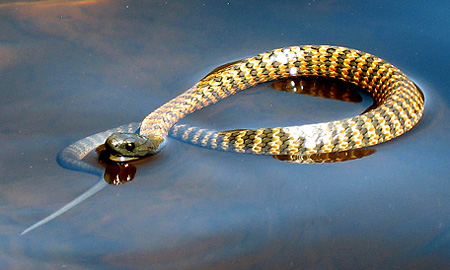
Tiger serpents are amongst the most venomous serpents in Australia, understood for their hostile nature and potent poison. Experiencing a tiger serpent can be a startling experience, specifically if you're not aware of how to respond in case of a bite. This detailed overview is developed to furnish you with critical knowledge on what to do in situation of Venom extraction and antivenom production in Australia a tiger snake bite, guaranteeing your safety and providing you the self-confidence to act decisively.
What to Do in Situation of a Tiger Snake Bite?
A tiger snake bite is a medical emergency situation that needs instant activity. If bitten, adhere to these actions:
Stay Calm: Panic can raise your heart price, triggering the venom to spread out faster through your bloodstream. Call for Help: Dial emergency services right away or have somebody take you to the local hospital. Immobilize the Affected Limb: Keep the bitten arm or leg as still as feasible; immobilization decreases venom circulation. Remove Tight Clothes or Jewelry: As swelling might happen, it's necessary to eliminate anything that can restrict blood flow. Do Not Apply Ice or Tourniquets: These techniques can create even more injury than great by damaging tissue and restricting blood flow. Monitor Symptoms: Keep track of any signs like difficulty breathing or loss of consciousness.Understanding the Tiger Snake
Habitat of the Tiger Snake
Tiger serpents are usually located in coastal and inland locations throughout southerly Australia, consisting of Tasmania. They choose environments such as wetlands, swamps, and grasslands where they can find ample food resources like frogs and small mammals.
Are Tiger Snakes Venomous?
Yes! Tiger snakes possess extremely harmful venom that can bring about severe health problem or death if not dealt with immediately. Their venom has neurotoxins that affect the nerves, resulting in paralysis and various other essential symptoms.
First Aid for Snake Bites: Important Knowledge
Recognizing a Serpent Bite
A snake bite can in some cases be hard to find instantly. Search for:
- Two slit wounds Swelling around the bite area Pain or tenderness Discoloration
Symptoms After a Tiger Snake Bite
After being attacked by a tiger serpent, sufferers might experience:
- Nausea Vomiting Abdominal pain Weakness Difficulty breathing
First Help Actions for Serpent Bites
1. Immobilization Techniques
It's crucial to maintain the afflicted arm or leg paralyzed using splints or bandages.
2. Compression Bandaging
Using a stretchable bandage Have a peek here can help reduce poison spread however need to not be as well limited-- examining flow is crucial.
Snake Bite Emergency treatment Package Essentials
To handle emergencies successfully, having a well-stocked first aid package is necessary. Here are products every snake bite first aid set ought to have:
|Item|Description|| ---------------------------|------------------------------------|| Compression bandages|For immobilization|| Triangular plasters|To develop slings|| Scissors|For reducing apparel|| Antibacterial wipes|To clean the wound|| Emergency get in touch with numbers|For fast gain access to throughout an emergency situation|
Understanding Different Kinds of Serpents in Australia
Eastern Tiger Serpent vs Tasmanian Tiger Snake
While both types come from the same family, recognizing their differences can be vital:
- Eastern tiger snakes are usually much more hostile than their Tasmanian counterparts. Coloration varies from olive-green to brown hues.
Other Venomous Serpents in Australia
Australia hosts a range of dangerous serpents:
- King Brownish Snake Eastern Brown Snake Common Fatality Adder
Knowing these species will enhance awareness when passing through Australian landscapes.

Safety and Prevention Tips
How to stop Serpent Bites?
Wear protective garments when hiking. Stay on well-known trails. Avoid high grass and dense underbrush where snakes may reside. Be careful while managing logs or rocks.What Should You Do If You Experience a Snake?
If you see a snake:
- Remain calmness and back away slowly. Do not try to take care of or provoke it.
FAQs Regarding Tiger Snakes
1) What must I do first if attacked by a tiger snake?
Immediately call for emergency help and incapacitate the afflicted arm or leg without applying ice or tourniquets.
2) The length of time does it take for signs to appear after being bitten?
Symptoms might show up within minutes but can vary between people; it's essential not to postpone treatment no matter sign onset.
3) Can I use ice on a serpent bite?
No, applying ice may create more cells damages; instead, focus on maintaining the limb still and obtaining medical attention.
4) Are child tiger snakes less unsafe than adults?
While infant tiger snakes have less poison on the whole, they are still with the ability of delivering severe attacks and ought to be treated with caution.
5) Exactly how reliable is antivenom versus tiger snake bites?
Antivenom is extremely reliable when carried out quickly after envenomation; timely clinical focus dramatically boosts survival rates.

6) Is it safe to suck out venom from a serpent bite?
No! Drawing out the poison is inadequate and can aggravate injury; it's important just to seek expert clinical treatment.
Conclusion
In case you ever find on your own faced with what looks like a regrettable occurrence entailing a tiger snake bite, remember this overview on "What to Do in Instance of a Tiger Snake Bite: Comprehensive First Aid Guide." Knowledge genuinely is power when it boils down to avoid casualties from such encounters! Constantly focus on looking for prompt clinical help while carrying out standard emergency treatment procedures-- your quick actions could possibly conserve lives!
Stay knowledgeable about your environments while enjoying nature's elegance so that you remain safe in settings where these majestic creatures wander freely!